
The Role of Decision-Making in Casino Gaming
At the core of casino gaming lies a complex web of decision-making processes that influence how players engage with various games. Each game, be it poker, blackjack, or slot machines, requires players to make choices that can significantly impact their outcomes. This decision-making is often driven by cognitive biases, emotional states, and individual risk preferences. For example, a player might be influenced by the ‘gambler’s fallacy,’ believing that past outcomes affect future performance, leading them to make irrational bets that can ultimately shape their gaming strategy, especially when considering a $10 neosurf deposit casino to enhance their experience.
Moreover, the environment of a casino is meticulously designed to enhance engagement and prolong decision-making. Bright lights, enticing sounds, and the thrill of witnessing immediate rewards can create a psychological effect known as the ‘near-miss’ phenomenon, where players feel close to winning even when they have lost. This can lead to a repeated cycle of betting, as players are motivated by the hope of achieving that elusive win. Understanding how these environmental factors play into decision-making can help illuminate why players adopt certain strategies over others.
Players also engage in various cognitive strategies, such as risk assessment and emotion regulation, to navigate the unpredictable landscape of casino games. This can manifest in conservative betting for risk-averse individuals or aggressive strategies for thrill-seekers. The balance between strategy and gambling luck creates an intricate dance of psychological elements that players must navigate, often leading to both triumphs and losses that can be deeply psychological in nature.
The Influence of Emotions on Gaming Strategies
Emotions undeniably play a pivotal role in shaping gaming strategies at casinos. Players often experience a rollercoaster of feelings ranging from excitement and joy to frustration and anger. These emotional states can dictate how players approach their gaming strategies. For instance, a player who experiences a winning streak may feel euphoric, leading to impulsive betting behaviors. Conversely, losses can induce feelings of despair or anger, pushing players to chase their losses through riskier gameplay.
Furthermore, the phenomenon of emotional contagion can occur in group settings. When people gather around a gaming table, the collective emotional atmosphere can influence individual player behavior. If a group is celebrating wins, others might feel compelled to join in on the excitement and increase their wagers. Understanding how these emotional dynamics operate can provide valuable insight into the decision-making processes of individuals and the broader gaming strategies they adopt.
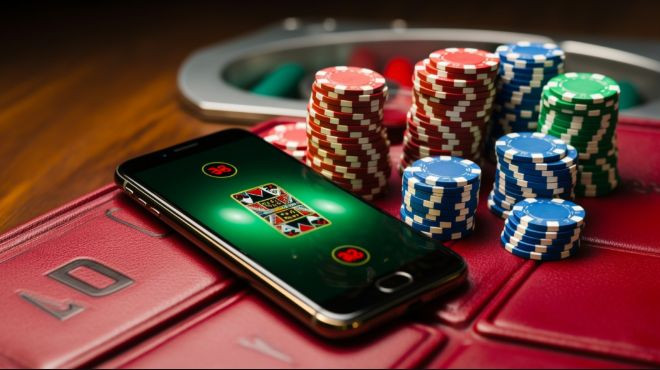
Research has shown that players often employ coping mechanisms to manage emotional highs and lows during gaming sessions. For example, some players may use deep breathing techniques or take breaks to regain composure after a series of losses. These emotional resilience strategies are essential for maintaining a clear head and logical approach to gaming, as unchecked emotions can lead to erratic decisions that stray from a player’s usual strategy.
The Impact of Cognitive Biases on Player Strategies
Cognitive biases are systematic patterns of deviation from norm or rationality in judgment, affecting how players perceive risks and rewards in casino settings. One common bias is the ‘illusion of control,’ where players believe they can influence the outcome of games purely based on their actions, even in games of chance. This belief can lead to overly aggressive strategies as players overestimate their ability to win, which may result in larger financial losses.
Another key bias is confirmation bias, where players seek information that confirms their existing beliefs about a game, often ignoring contradictory evidence. For example, a player might cling to a specific betting strategy because it has worked in the past, disregarding the statistical probabilities that suggest it may not be effective in the future. These biases can significantly distort a player’s perception of what constitutes an effective gaming strategy.
Moreover, the anchoring effect can also come into play, where a player’s decisions are influenced by an initial piece of information, such as a high payout from a previous game. This can lead players to anchor their expectations unrealistically, which might encourage them to adopt poor strategies based on an emotional response to past outcomes rather than statistical analysis. Recognizing and mitigating these cognitive biases can help players develop more rational and effective gaming strategies.
The Social Dynamics of Casino Gaming
Casino gaming is inherently social, which adds another layer to the psychological aspects of gaming strategies. Players often engage in conversation, share tips, and learn from one another’s strategies. This social interaction can lead to the development of collective gaming strategies where friends or regulars adopt similar approaches, influenced by shared experiences and perceived successes. The communal atmosphere can enhance the enjoyment of gaming, but it may also lead to herd behavior, where individuals follow the crowd rather than making independent decisions.

Additionally, the presence of other players can affect individual confidence levels, leading to bold strategies or, in contrast, hesitation. In a lively poker room, a player may feel pressured to raise their bets to match the assertiveness of others. This dynamic can distort personal strategies, as individuals may abandon their safer approaches in favor of more aggressive betting due to social influence.
Understanding these social dynamics is crucial for developing effective strategies. Players who recognize the impact of their social environment may be better positioned to make decisions that align with their personal gaming goals rather than succumbing to external pressures. The interplay between social influence and gaming strategies illustrates the importance of considering psychological factors beyond individual behavior.
Understanding Your Own Gaming Strategy Through Self-Reflection
The journey to refining gaming strategies involves a significant degree of self-reflection. Players must evaluate their motivations, emotions, and experiences in the casino to develop personalized strategies that work for them. Self-awareness allows players to assess their risk tolerance, emotional responses to wins and losses, and their cognitive biases. By understanding these elements, players can craft strategies that align better with their true style of play, increasing their chances of success.
Additionally, journaling gameplay experiences can be a powerful tool for self-reflection. Recording thoughts, strategies, outcomes, and emotional responses provides valuable insights into trends in personal gaming behavior. This practice allows players to identify what strategies work for them and which do not, fostering growth and learning in their gaming endeavors. Over time, players can refine their approaches based on this data, leading to potentially more successful outcomes.
Ultimately, self-reflection in casino gaming is about more than just improving chances of winning; it’s about understanding the psychological aspects behind one’s choices. By taking the time to analyze behaviors and emotions relating to gaming, players can develop a more conscious, informed, and effective gaming strategy, making their experiences more enjoyable and fulfilling overall.
